 |
 |
 |
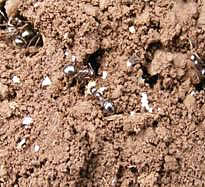
| Ants |
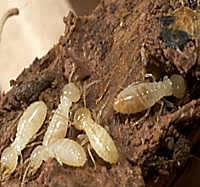
Termites |
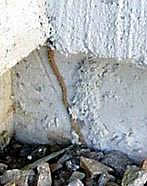
Termite tube |
|
|
|
| Ants |
Termites |
Termite tube |
 |
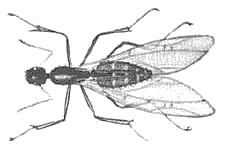 |
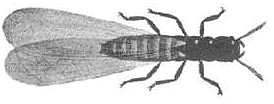
Termite Swarmer
|
Ant Swarmer
|
| YOU CAN: |
|
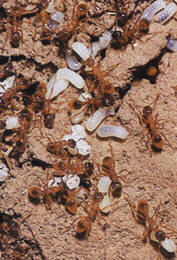
SPECIAL NOTE: Insecticide or herbicide applications affect ant bait and the ants will not take it as a food source. It is important to mark all ant hills or ant trails where bait will be used to ensure it is not tainted with other substances. |
WE WILL: |
|
|
- REMEMBER - SANITATION IS THE KEY TO GETTING THE ANTS TO TAKE THE BAIT! |
 |
 |
New Treatment For Drywoods Does Away With Traditional Tenting MONTVALE, NJ – Bayer Environmental Science announced today that a new label has been approved for Termidor® termiticide/insecticide that extended the product's use to both ants and drywood termites. Termidor is now the most effective, low-dose insecticide for outdoor ant control on the market today. “Ants are the most difficult insects to control and a
major nuisance for Ant Control Just like termite applications, Termidor works as a non-repellent, infecting ants by either contact or ingestion. And because it's a non-repellent, Termidor won't trap ants within structures or prevent them from moving through the treated zone. Just one application of Termidor provides long residual control of certain ant species, including Carpenter, Argentine, Big Headed, Odorous House and Pavement ants. Like its use for termite control, Termidor uses the same low-dose formula that creates a 0.06 percent finished spray. As little as one gallon of finished product per structure will achieve maximum ant control. Field studies conducted by leading ant experts in the U.S. have repeatedly shown that a single Termidor application reduces ant foraging within a few days. No other single application of any product on the market provides such control. Drywood Termite Control Termidor is also now labeled for wood injection control of drywood termites. Tenting a house was the traditional control method for drywood termites, until Termidor. Now homeowners can fight drywoods more conveniently and safely than ever before. Using Termidor will require a PMP to identify the location of the drywood termites and galleries so the Termidor finished spray solution (or foam) can be directly injected into these active galleries. For drywood termites, Termidor begins to take affect within a day after treatment, however 95% control can be achieved in 3-6 days after treatment. Preliminary testing with Termidor has shown 100 percent control of drywood termites 49 days after a single application. Additional tests of longer periods are underway. Drywood termites are mostly found in the southeast and southwest regions of the United States where they establish colonies in dry, sound wood that may have as little as 3 percent moisture content. About Termidor Termidor remains the leading liquid termiticide by providing 100 percent control of subterranean termites in three months or less. With the EPA approval of this new label amendment in August, 2002, Termidor now can be used to control ants and drywood termites. Termidor has been used on more than 600,000 homes nationwide with unprecedented results controlling subterranean termites. Through eight years of trials by the United States Department of Agriculture Forest Service,Termidor has been proven to provide 100 percent control of subterranean termites in all tests at all rates at all locations. Only PMPs who have been trained by Bayer Environmental Science have authorization to use and purchase Termidor. |
|
TERMITE MANAGEMENT
Fact Sheet on Termites
and Termidor
Termiticide/Insecticide FACT SHEET ON TERMITES AND TERMIDOR® TERMITICIDE/INSECTICIDE Termites have been found across 70 percent of the world and have survived environmental changes for more than 250 million years. Termites can adjust to most any climate.
SIGNS YOUR HOUSE MAY HAVE TERMITES According to the National Pest Management Association (NPMA), the following signs may mean you have termites in your home: Swarms of flying termites (called “swarmers” or “alates”) can occur both inside and outside of the house, usually in the spring. These termites usually shed their wings after swarming and leave behind small, papery piles of wings on windowsills, countertops or floors. Small piles of wood residue or shavings often indicate termite activity. Tiny holes in wood, crumbling drywall and sagging doors are other symptoms of wood damage from termites. Beware of bubbled paint or visible, pencil-sized mud tubes running across concrete or connecting soil to wood. Termites often make underground tunnels or above-ground “shelter tubes” of mud, feces or debris while searching for new food sources and connecting their underground nests to the food. These mud tubes are the tunnels that termites use to gain access into your home. Unfortunately, these signs usually mean that structural damage from termites has already taken place. A thorough inspection by a certified pest management professional (PMP) is the first and most important step in protecting your property. Experienced professionals can locate the specific areas in your home or business where a termite attack is likely to occur. However, homeowners can discourage termite infestation by taking the following precautions: Keep the house and foundation dry, making sure to caulk around windows and doors. Poor insulation causes moisture, and termites thrive in moist environments. Keep gutters clean of leaves and debris. Termites use these materials to build shelter tubes connecting their underground colonies to your home. Also, make sure the gutter drains at least three feet away from the foundation of the house. Store firewood away from the house. Don't give termites a snack that leads them closer to your home. Schedule regular home inspections with a local PMP before you see signs of termite damage. Preventative measures can stop termite problems before they start. |
| Back to the Homepage |